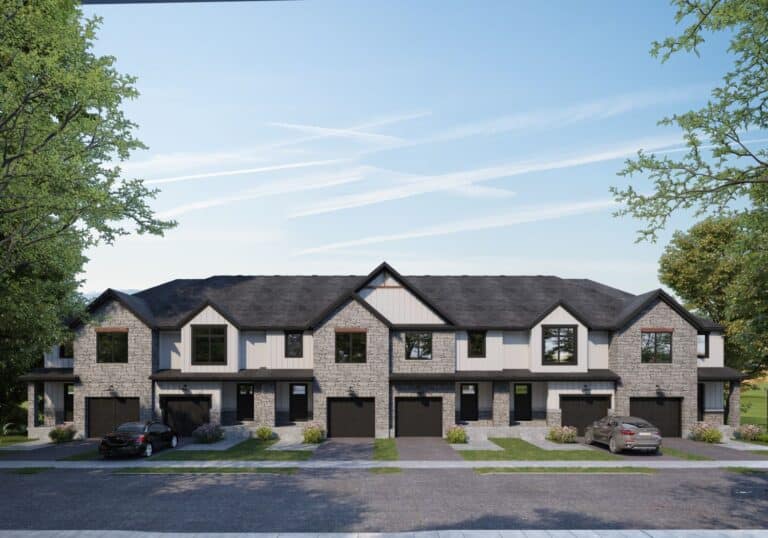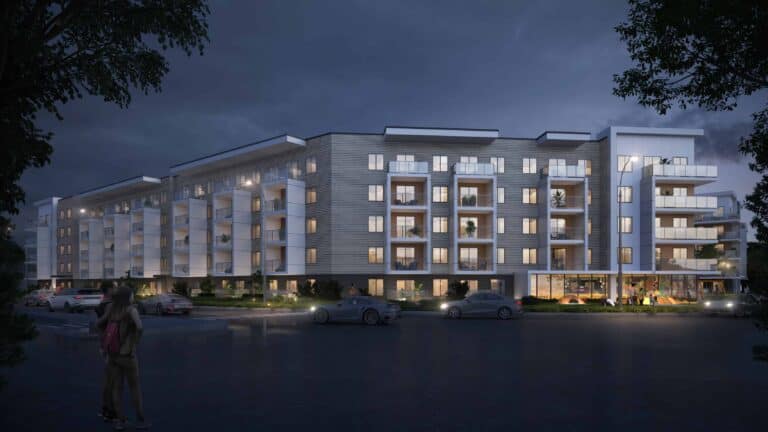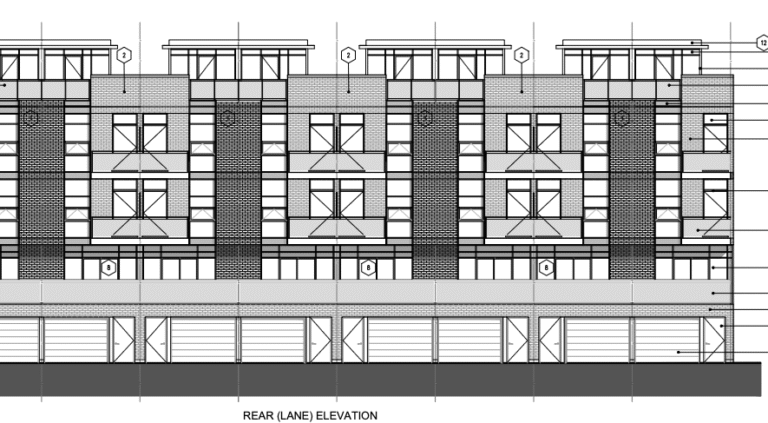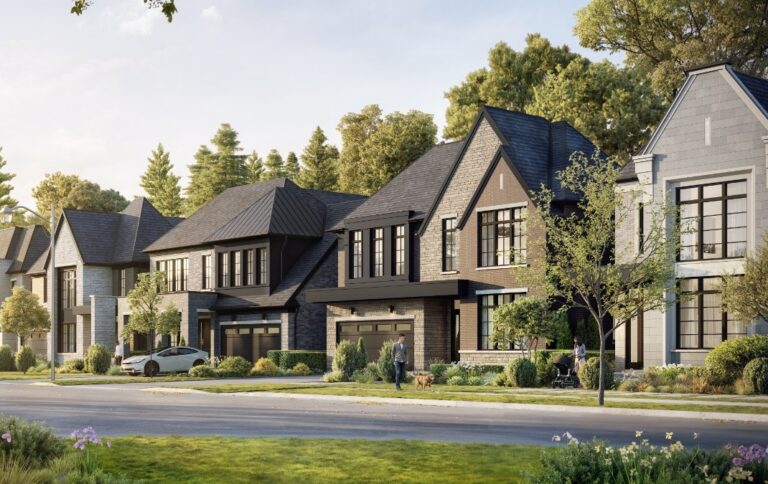
Before you sign for a pre-construction home or condo in Ontario, check two things: that the builder is licensed by the Home Construction Regulatory Authority (HCRA), and that the home is enrolled with Tarion, which backs the new home warranty and deposit protection. As of October 2026, you can do the first check yourself in a few minutes on the free Ontario Builder Directory, and Tarion’s warranty runs in three stages: one year, two years and seven years from possession.
This guide explains what the Tarion warranty covers, how deposit protection works, how to look up a builder on the HCRA directory, and the red flags that mean you should slow down. Every rule and dollar amount below comes from Tarion or the HCRA and is stated as of October 2026.
Who does what: Tarion and the HCRA
Ontario splits new-home consumer protection between two bodies.
- The HCRA licenses the builders and sellers of new homes in Ontario. It runs the Ontario Builder Directory, which the HCRA describes as “a free, online database that helps you verify whether a builder or seller is licensed by the HCRA.” The HCRA’s advice is to check the directory before you sign or pay anything.
- Tarion administers the new home warranty and the deposit protection that comes with it. When a home is enrolled with Tarion, the warranty and the deposit coverage described below apply to it.
The two checks go together. A licensed builder with an enrolled home is the starting point; a builder you can’t find in the directory, or a home that isn’t enrolled, is a reason to stop and get advice. Both are on the HCRA’s own list of questions you should be able to answer before you buy (see the red flags section below).
Tarion warranty basics: 1, 2 and 7 years
As of October 2026, Tarion’s warranty on a new home has three layers. Each one starts on the date you take possession of the home. In the HCRA’s words, coverage applies to “defects in work and materials and major structural defects for up to seven years.”
| Warranty | How long | What it covers (summary) |
|---|---|---|
| 1-year warranty | One year from the date of possession, even if the home is sold | Work done in a workmanlike manner and free of material defects; Ontario Building Code violations; unauthorized substitutions; fitness for habitation |
| 2-year warranty | Two years from the date of possession | Water getting in through the basement or foundation walls; water getting into the building envelope; exterior cladding that detaches or deteriorates; defects in electrical, plumbing and heating systems; Ontario Building Code violations that affect health and safety |
| 7-year major structural defect warranty | From the date you take possession to the seventh anniversary | Major structural defects, including soil movement and major basement wall cracks; chemical failure of materials or environmental hazards (such as excessive radon); collapse or serious distortion of joints or the roof structure |
The 1-year warranty
Tarion’s one-year warranty “applies for one year, beginning on the home’s date of possession even if the home is sold.” It covers the basics you would expect from a new home: that it was built in a workmanlike manner and is free of material defects, that it doesn’t break the Ontario Building Code, and that it is fit to live in. For condos, Tarion ties fitness for habitation to the occupancy date.
The one-year warranty also covers unauthorized substitutions, meaning the builder swapped an item in your agreement without permission. Tarion says to submit that claim “within the first year following the date of possession.”
The 2-year warranty
The two-year warranty focuses on water and building systems: water coming in through the basement or foundation walls or through the building envelope, exterior cladding that comes loose or deteriorates, defects in the electrical, plumbing and heating systems, and Building Code violations that affect health and safety.
The 7-year major structural defect warranty
This is the long-term layer. It begins on the date you take possession and ends on the seventh anniversary. It covers major structural defects, including soil movement and major cracks in basement walls, chemical failure of materials or environmental hazards such as excessive radon, and collapse or serious distortion of joints or the roof structure.
It does not cover damage to drains or services, dampness that isn’t caused by the failure of a load-bearing part of the home, or damage to finishes.
Temporary relocation and claim timing
If a warranted problem means you can’t live in the home, Tarion’s Temporary Relocation Warranty pays compensation of “up to $150” for each day the home can’t be lived in, “up to a maximum of $15,000.” Tarion says assessing a claim can take up to six months, or longer if it is disputed or complex, so report problems early and keep written records.
Tarion’s coverage pages that we reviewed do not state a single overall dollar limit for warranty repairs on a home, so ask Tarion directly if you need that figure for your own home.
Deposit protection limits
Deposits on pre-construction homes are large and are paid years before you move in, so it matters how much of your deposit is protected if the builder can’t complete the sale. As of October 2026, Tarion’s deposit protection page sets out the limits below.
| Type of home and agreement | Deposit protection |
|---|---|
| Freehold home, agreement signed before January 1, 2018 | Up to a maximum of $40,000 |
| Freehold home, agreement signed on or after January 1, 2018, price $600,000 or less | Up to $60,000 |
| Freehold home, agreement signed on or after January 1, 2018, price over $600,000 | 10% of the purchase price, to a maximum of $100,000 |
| Condo unit | Up to $20,000 if the builder doesn’t return the deposit within 10 days of the agreement ending |
| Contract home (financial loss) | Up to $40,000 |
Two details on the freehold side are worth knowing. First, Tarion’s page ties deposit coverage to giving notice within 45 days of signing. Second, claims where notice wasn’t given within 45 days are subject to a $15 Million special fund sub-limit in any given year. In practice, that means you should not leave deposit questions to the last minute.
Changes in 2026 and 2027. Tarion’s deposit page notes that changes take effect on April 1, 2026, with deferred deposit changes until January 1, 2027. The limits in the table are as listed on that page. Because the rules are changing, confirm the limit that applies to your own agreement with Tarion or your lawyer before you pay a deposit.
If your deposit is larger than the protected amount, the difference isn’t covered by Tarion’s deposit protection. That is a good question to raise with your lawyer when you review the agreement.
Purchaser selections: the 30-day and 7-day windows
Many pre-construction buyers choose finishes after signing. Tarion’s rules give you 30 days from the purchase agreement to make your selections. If the builder later can’t supply an item you chose, you get 7 days to reselect. Put your selections in writing and keep copies; if the builder substitutes something without your permission, that is the unauthorized substitution covered by the one-year warranty.
How to look up a builder on the HCRA Ontario Builder Directory
The HCRA’s advice is simple: “Search the Ontario Builder Directory to find a licensed professional.” The directory is at obd.hcraontario.ca. Here is how to use it as part of your due diligence:
- Search for the builder and the seller. The directory lets you check whether a builder or seller is licensed. Search for the company named on the agreement of purchase and sale, not only the brand name on the marketing.
- Open the profile. Each builder has a profile page. The HCRA says the directory lets you “check a builder’s experience, including number of years active and number of homes built.”
- Look for regulatory actions. The profile lets you “see whether they have been subject to regulatory actions by the HCRA, including charges and convictions.”
- Check warranty information. The directory also shows warranty information for a home.
- Check recent HCRA decisions. The HCRA website has a Recent Actions and Decisions list, with items such as Administrative Penalty and Notice to Refuse Licence. Builder names in that list link to their directory profiles.
The directory doesn’t rate or rank builders. It gives you facts: licence status, experience, homes built and any regulatory history. Use those facts alongside your own research, such as visiting finished communities by the same builder and asking owners about their experience.
Our builder profiles, such as Mattamy Homes, list the projects each builder has on tallproperty.com so you can see the communities a builder has completed or is building now. Run the directory check on any builder you are considering.
Red flags before you sign
- The builder or seller isn’t in the directory. The HCRA calls this “a serious warning sign that they may be operating illegally.”
- “Now or never” pressure. The HCRA warns that salespeople may suggest buying is “now or never.” A real opportunity will still be there after you have checked the builder and read the agreement.
- You can’t answer the basic questions. The HCRA says that if you can’t answer whether the builder is licensed, whether the home is enrolled with Tarion, and what the agreement says about closing dates, delays and deposit protection, you should research and get advice first.
- Regulatory actions on the profile. Charges, convictions or recent HCRA actions don’t automatically rule a builder out, but read them and ask questions.
- Deposits above the protected amount. Compare your deposit schedule with the deposit protection table above.
The HCRA recommends that you review the agreement with a lawyer before you commit.
A quick checklist
- Find the builder and the seller in the Ontario Builder Directory and read their profiles.
- Confirm the home is enrolled with Tarion.
- Check how much of your deposit is protected, and note the 45-day notice point on freehold homes.
- Read what the agreement says about closing dates, delays and deposit protection.
- For a condo, use the 10-day cooling-off period to have a lawyer review the agreement.
- Make your finish selections within 30 days and keep written copies.
- After possession, keep a record of any defects and report them within the warranty periods.
FAQ
How long does the Tarion warranty last?
As of October 2026, there are three layers from the date of possession: one year for workmanship, material defects and Building Code issues; two years for water getting in, cladding, and electrical, plumbing and heating defects; and seven years for major structural defects.
How do I check if a builder is licensed in Ontario?
Search the HCRA’s free Ontario Builder Directory. It shows whether a builder or seller is licensed, their years active, number of homes built and any HCRA regulatory actions.
How much of my deposit does Tarion protect?
As of October 2026, Tarion lists up to $20,000 for a condo unit. For freehold homes on agreements signed on or after January 1, 2018, it lists up to $60,000 for homes priced $600,000 or less and 10% of the price (to a maximum of $100,000) above that. Tarion notes deposit changes from April 1, 2026 and January 1, 2027, so confirm the limit for your agreement.
Can I cancel a pre-construction condo purchase?
Condo buyers in Ontario have a 10-day cooling-off period to cancel with no penalty and a full deposit refund, according to the HCRA.
Does the HCRA rate builders?
No. The directory shows licence status, experience and regulatory history rather than a rating. Use it as one part of your research.
Next steps
If you are comparing projects, browse pre-construction condos, new townhomes and pre-construction detached homes on Tall Property, then run the directory check on each builder. Our earlier guide, working with your builder to ensure the quality of your pre-construction home, covers what to do between signing and closing. If you want help reviewing a builder or a project, contact Tall Property at 416-878-0749.
Sources: Tarion deposit protection, Tarion warranty coverage, Tarion coverage for freehold, contract and condo homes, HCRA: What to know before buying a newly built home in Ontario and the HCRA.
This is general information, not legal or tax advice.